
Flange guide
Understanding Gasket Dimensions and Flange Details
A gasket order is only as good as the dimensions behind it. This guide explains the terms used for gaskets and flanges, shows how to measure an existing flange, and lists the details that avoid mistakes when ordering.
- ID and OD
- Bolt circle
- Flange standard
- Face type

Basic terms
- Nominal size (DN or NPS): the pipe size designation, not an exact measurement.
- Inside diameter (ID): the bore of the gasket.
- Outside diameter (OD): the outer edge of a ring gasket, or the sealing face edge for a full-face gasket.
- Bolt circle diameter (PCD): the diameter of the circle through the bolt-hole centres.
- Number and size of bolt holes.
- Thickness: the gasket thickness before compression.
- Pressure class or rating (PN or Class): part of the flange standard.
Gasket styles
Ring gaskets (flat ring) sit inside the bolt circle on the raised face; full-face gaskets cover the whole face including bolt holes. See ring and full-face gaskets. Spiral wound gaskets add inner and outer rings and are made to fit specific flange standards; see spiral wound gaskets. Cut and special shapes follow your drawing; see cut and custom gaskets.
Flange standards
Flanges are made to different standards, and common families include metric PN-rated, ASME or ANSI inch-class, and older national or local standards. Table-based flanges also exist in some regions. Two flanges of the same nominal size from different standards usually have different bolt circles and hole counts and cannot share a gasket. If you know the standard and rating, give it. If you do not, measure the flange.
Flange face types
Flat face, raised face and ring-type joint (RTJ) faces are common. The face type changes the gasket style and the load needed. A raised-face flange takes a ring gasket inside the bolts, while a flat-face flange often takes a full-face gasket. RTJ flanges use metal ring joints, which are a special item.
How to measure a flange for a gasket
- Measure the pipe bore or required gasket ID.
- Measure the raised-face OD or the OD of the flange face.
- Measure the bolt circle diameter from the centre of one hole to the centre of the opposite hole (for an even number of holes).
- Count the bolt holes and measure their diameter.
- Measure the overall flange OD if a full-face gasket is needed.
- Note the flange thickness and face condition: pitting, scoring and warping.
- Take a dimensioned sketch or a photograph with a ruler visible.
Choosing thickness and material
Thickness depends on the flange finish, bolt load and material. Material suitability depends on the medium and conditions; see the gasket material selection guide.
Limitations
- Nominal sizes are not measurements, so do not order from nominal size alone when the standard is uncertain.
- Measurements of worn or corroded flanges may not reflect the original standard.
- Dimensions do not decide pressure rating or suitability for the service.
- Critical or regulated service requires technical review and the correct certification documents.
Ordering
Provide the dimensions above, the standard if known, material or medium details and quantity. Upload a drawing, or use custom gasket manufacturing for non-standard shapes.
Options & specifications
| Key terms | ID, OD, PCD, bolt holes, thickness |
|---|---|
| Standards | Metric PN, ASME or ANSI classes, others |
Options, materials and turnaround are confirmed on your written quote.
How ordering works
- 1
Bore
Gasket ID.
- 2
Face
OD of sealing face.
- 3
Bolts
PCD, hole count and size.
- 4
Condition
Face finish and thickness.
Frequently asked questions
What is the PCD?
The pitch circle diameter, or bolt circle: the diameter of the circle that passes through the centres of the bolt holes.
Can I order a gasket by nominal pipe size only?
It risks error unless the flange standard and rating are also known.
What if I don't have the flange standard?
Send measurements and photographs and we will review them.
Explore
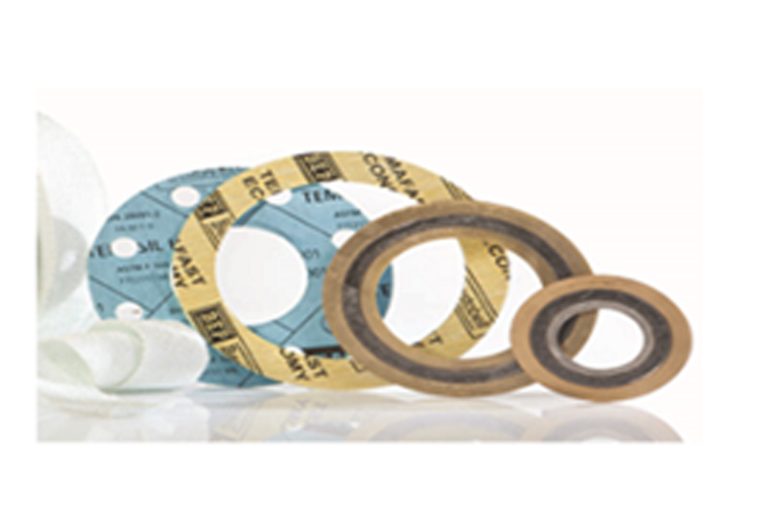 Ring and Full-face GasketsFlat flange gaskets come in two basic layouts: a ring gasket that sits inside the bolt circle, and…View
 Spiral Wound GasketsSpiral wound gaskets seal pipe flanges where pressure, temperature cycling or aggressive media rule out a plain sheet…View
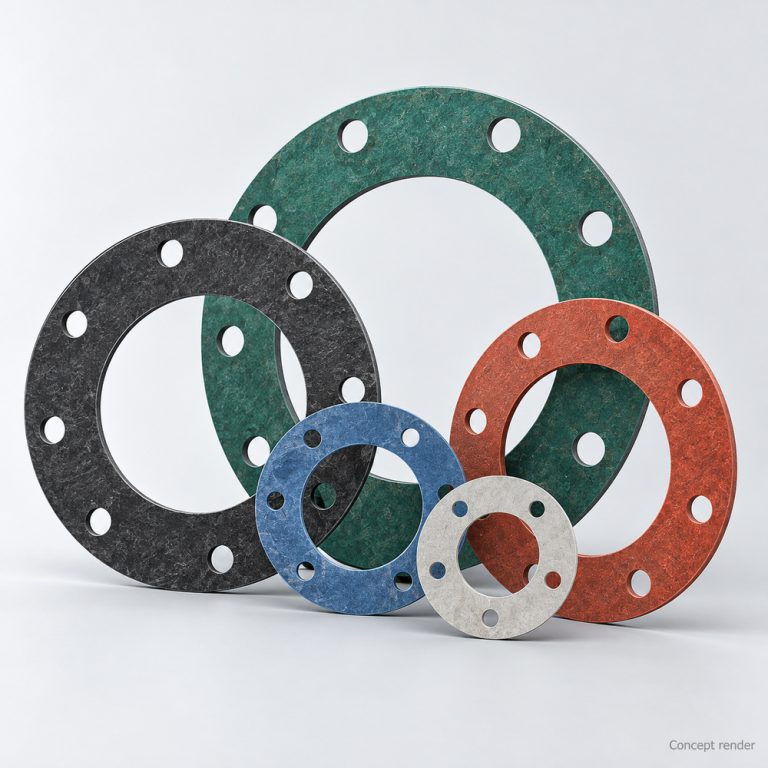 Cut and Custom GasketsMany gaskets are not available off the shelf: obsolete equipment, imported machines, non-standard flanges or special shapes. Cut…View
- Custom Gasket ManufacturingWhen a flange, cover or housing has no off-the-shelf gasket, a custom-made part is the practical answer. Globseals…View
 Gasket Material Selection GuideNo single gasket material suits every flange. Choosing well means matching the material to the medium, temperature, pressure,…View
 Upload a Drawing or Product PhotoA good photo or drawing can identify a part faster than a long description. Use this page to…View
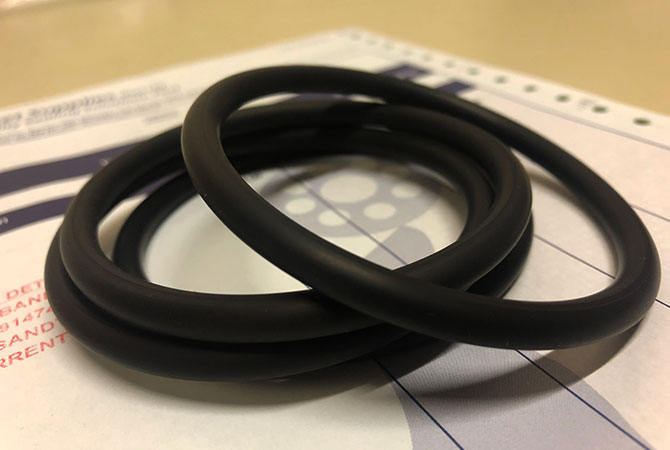 How to Measure an O-ringAn O-ring is defined by two dimensions and a material. Get the inside diameter and cross-section right, note…View
 How to Measure a Hydraulic SealHydraulic seals are normally specified by groove dimensions, because the seal must fit a particular housing. This guide…View
Upload your flange sketch or drawing.
Send your brief, quantities and deadline. We reply with a clear written quote and confirm the turnaround before anything goes to production.
