
Seal components
Component Mechanical Seals and Seal Spares
Component mechanical seals are supplied as separate parts, not as a factory-assembled cartridge. The fitter sets the working length, positions the springs and seats and tightens the drive. They remain widely used for general pump duty, for older pump designs and where a fleet of similar pumps shares standard seal sizes. Globseals can help you identify components, or the full set for a given pump, and quote accordingly.
- Rotating and stationary faces
- Springs, bellows and drive parts
- Elastomer and PTFE secondary seals
- Dimensions or part number based

Overview
A component seal is built up on the shaft from individual parts: a stationary seat (often held by an O-ring or cup in the gland), a rotating face carried by a head assembly with spring or bellows, and a drive collar or set-screw arrangement. Because the parts are separate, you can replace only what has worn, which can reduce cost, but accuracy depends on the person fitting them.
Many customers buy components for one of three reasons: the pump uses a standard-dimension seal (for example one following EN 12756 dimensions), the metal parts of an existing seal are in good order, or a maintenance team keeps a stock of faces and elastomers for planned changes. Where you want a unit that arrives set and ready to bolt in, see Cartridge Seals. The overall category introduction is on Mechanical Seals.
Components you may need
Stationary seats and rotating faces
Seats can be flat rings, cup-mounted or with an anti-rotation notch. Rotating faces may be solid rings, inserts or bonded. Matching face widths and diameters is critical, so ask for the nominal dimensions and any step or recess detail.
Springs
Single conical springs, multi-springs or wave springs. Right-hand or left-hand wound springs may be required, depending on the rotation direction and manufacturer. Spring load is part of the design, so substitute only with the correct specification.
Elastomer bellows and secondary seals
O-rings, shaped boots, wedges and V-rings that seal behind faces and between sleeve and shaft. These are the parts most prone to chemical attack and ageing, and must match the fluid.
Drive collars, sleeves and glands
Metalwork that holds position and transmits drive. Set screws bite into the shaft or sleeve, which is one reason to replace worn sleeves. See Shaft Repair Sleeves where shaft wear is a concern.
Repair kits
A kit normally bundles faces and elastomers for a specific seal model, so you replace the wearing items together. Kit contents vary with manufacturer.
Gaskets and gland seals
Flat gaskets or O-rings that seal the gland plate to the casing. These are often overlooked but still produce leaks if damaged.
Component materials
These notes are typical and general. Confirm the final material choice against the manufacturer's data for your duty.
- Carbon-graphite faces: good dry-running tolerance and self-lubrication, with different resin and metal-impregnated grades for water, oil or chemicals.
- Silicon carbide and tungsten carbide: hard faces for abrasive or higher-load service. Reaction-bonded and sintered silicon carbide differ in chemical resistance, so confirm the grade.
- Alumina ceramic: economical for clean-water service, with lower thermal-shock tolerance than silicon carbide.
- Elastomers: NBR for mineral oils, EPDM for hot water and many dilute chemicals, FKM for many hydrocarbons, silicone for mild conditions, PTFE for chemical resistance with less elasticity.
- Metal parts: 304 or 316 stainless steel in most cases; springs sometimes in Hastelloy-type alloys for corrosive media.
Selecting components with confidence
Component selection leaves more room for error, so work systematically.
- Record the complete seal build. Number every part removed and photograph it before cleaning.
- Measure the seat and face outside diameter, inside diameter and thickness, and the shaft diameter.
- Record installed length (face-to-chamber setting) before disassembly. Without it you cannot set the new seal correctly.
- Check the shaft or sleeve for grooves, fretting and surface finish, since a worn sleeve can ruin a new seal.
- Replace faces as a pair, and replace elastomers whenever the seal is dismantled.
If you cannot establish which parts are needed, request a technical review with photos instead of guessing.
Information to send us
- Seal make and model, or the number stamped on the parts
- Shaft or sleeve diameter and stationary seat bore
- Dimensions of each face: inside diameter, outside diameter, thickness
- Spring type and winding direction, if known
- Elastomer shape and size, or O-ring dimensions
- Pump make and model, liquid and temperature
- Photos of all parts side by side, and quantity required
Genuine and compatible replacements
Genuine components are made by the original seal brand. Compatible components are made to the same dimensions by another source. For faces and elastomers this can work well when dimensions and materials match, but springs and hard-wearing faces should be checked closely, because small differences affect balance and wear. Mixing parts from different makers in one seal is a practical choice only when the dimensions and face flatness have been verified.
Customers can enquire about genuine or compatible parts for seals from manufacturers such as Burgmann, John Crane, Chesterton, Flowserve and Freudenberg/Simrit. Supply route is confirmed when you enquire.
How to buy
Component orders usually need part-level detail, so photos and measurements save time.
- Buy online: where a product is listed in the online shop with a confirmed price, you can order directly. Products are being added to the shop progressively, so not every item will be listed yet.
- Request a quote: for custom, bulk, unpriced or repeat-order requirements, send us a quote request with your details.
- Technical review: if you cannot identify the part, or the application is demanding, use Find My Seal or upload a drawing and our team will review it with you.
You can also call head office in Johannesburg on 011 079 6033, or WhatsApp 079 508 0989, or email info@globseals.com.
Options & specifications
| Part types | Rotating faces, stationary seats, springs, bellows, drive collars, glands |
|---|---|
| Face materials | Carbon, silicon carbide, tungsten carbide, alumina ceramic |
| Elastomer options | NBR, EPDM, FKM, silicone, PTFE, perfluoroelastomer |
| Spring options | Single conical, multi-spring, wave spring; hand of wind varies |
| Dimension reference | Shaft diameter, face inside and outside diameters, thickness, installed length |
| Supplied as | Individual parts or repair kits, depending on the seal model |
Options, materials and turnaround are confirmed on your written quote.
How ordering works
- 1
Record the build
Photograph and number each part as the seal comes apart.
- 2
Measure the parts
Note face and seat dimensions and the installed length.
- 3
Send details
Include the pump, liquid and any marking on the parts.
- 4
Order or review
Buy listed parts, request a quote, or ask for technical review.
Frequently asked questions
Can I mix components from different brands?
It is possible when dimensions, face flatness and spring load suit the design, but it needs checking. Face and seat combinations from different makers can give unpredictable wear. If unsure, ask for a technical review.
Do I replace the springs every time?
Springs lose load and can corrode or clog over time. Manufacturers' guidance varies, but a seal is normally rebuilt with new faces and elastomers, and springs are replaced if worn or corroded.
How do I find the installed length?
Measure the distance from the seal chamber face to the rotating face or collar reference before removing the old seal, and compare with the manufacturer's data. Always follow the data for your seal model.
Are repair kits available?
Kits depend on the seal model. Send the seal make and model and we will confirm what kit or loose parts can be supplied.
Can worn sleeves be repaired?
Sleeve wear can be addressed by replacement or repair, covered under shaft repair sleeves and our mechanical seal repairs service. Capability is confirmed when you enquire.
Request a quote for Component Mechanical Seals
Related services
 Mechanical SealsA mechanical seal controls leakage where a rotating shaft passes through a stationary housing, most often on centrifugal…View
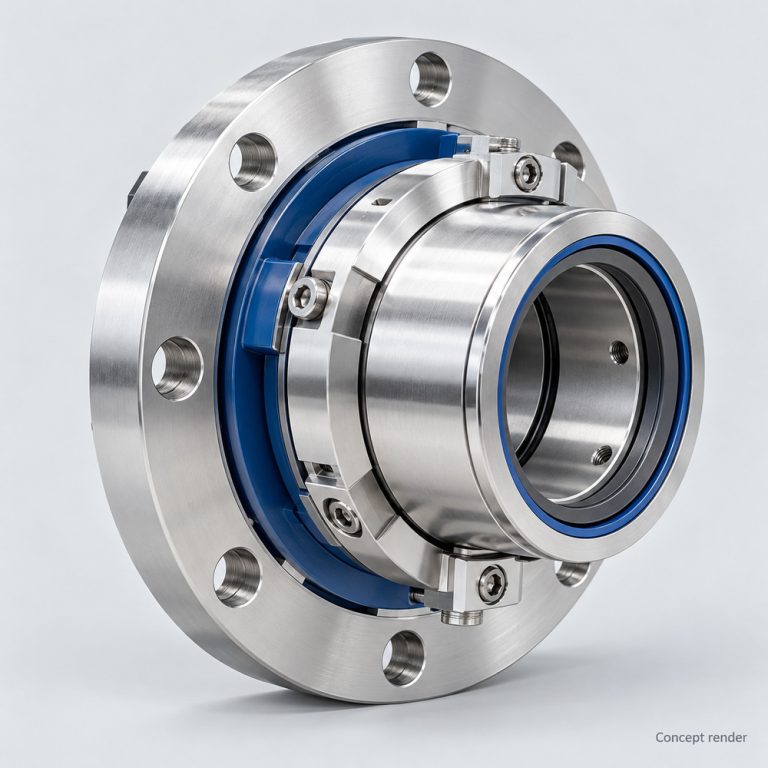 Cartridge SealsA cartridge seal is a complete mechanical seal assembled by the manufacturer on a sleeve and gland plate,…View
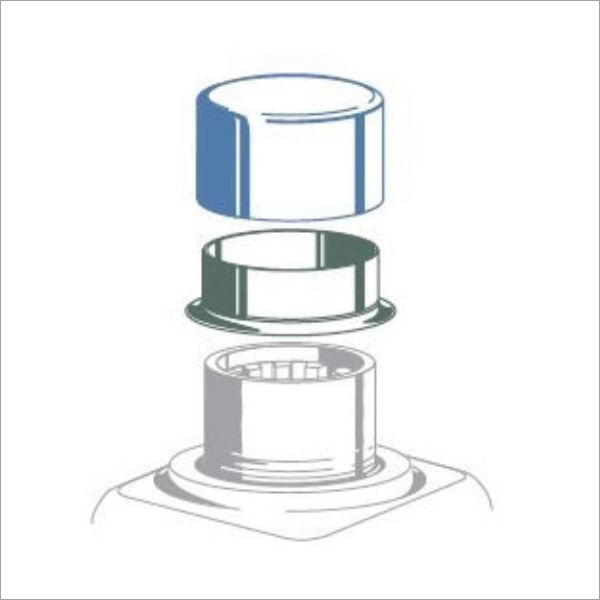 Shaft Repair SleevesA grooved or worn shaft ruins any new seal or packing set. Instead of replacing or re-machining the…View
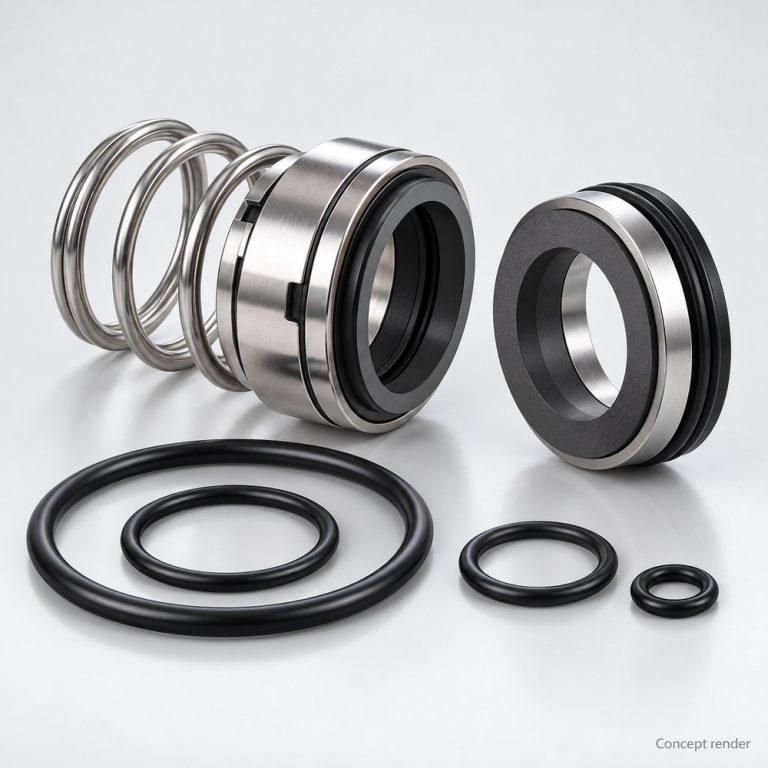 Mechanical Seal RepairsA leaking mechanical seal does not always need a full replacement. Depending on the design and the damage,…View
 Mechanical Seal Replacement and IdentificationPlenty of seals arrive with no nameplate, a worn marking or an unknown manufacturer. Globseals helps customers identify…View
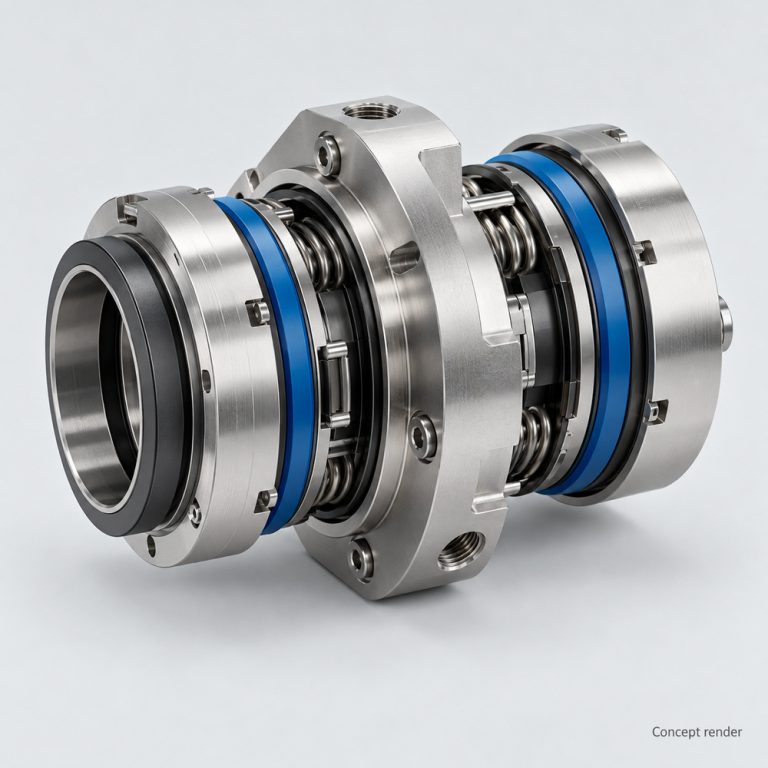 Seal Support and Supply SystemsA mechanical seal does not work alone. It depends on the environment around it: cool, clean liquid at…View
- Carbon Floating Ring SealsCarbon floating ring seals are non-contacting or lightly contacting restriction seals used on turbines, compressors, blowers and some…View
 Hydraulic SealsHydraulic seals contain pressurised oil in cylinders, rams, presses and valves while keeping dirt out and controlling friction.…View
Send photos and measurements of the seal parts and we will help you identify what you need.
Send your brief, quantities and deadline. We reply with a clear written quote and confirm the turnaround before anything goes to production.
