
Seal selection
Seal Selection and Application Engineering
Choosing a seal is a decision about the medium, the temperature, the pressure, the movement and the equipment, not only the dimensions. Globseals supports customers across South Africa and Africa with seal selection and application review, helping to narrow options, flag risks and route high-risk duties to proper technical review.
- Duty-based selection
- Material guidance
- Technical review route
- All seal families

The problem: a good fit on paper that fails in service
A seal that matches the groove or housing can still fail if the compound attacks the medium, the temperature is beyond its capability, or the design suits a different kind of motion. Substitutions made on appearance alone are a common reason for early failure. Engineering input before ordering costs far less than a second shutdown.
What we do
We review the application details you provide and help identify suitable seal types and material families across our range: mechanical seals, hydraulic seals, rotary shaft and oil seals, O-rings, gaskets and compression packing.
Guidance is general and typical, and operating limits are never universal. Always confirm against the manufacturer's data for your application. Applications involving oxygen, hydrogen, aerospace, food-contact, pharmaceutical or potable water require technical review and the correct certification documents. Read NBR, EPDM, FKM and silicone compared and the gasket material selection guide for background.
How the process works
How application review works
- Define the duty. List the medium, concentration, temperature range, pressure and motion type.
- Describe the equipment. Provide the equipment type, the available space and any existing part details.
- Review and shortlist. We outline suitable seal types and material families, flagging any concerns.
- Confirm against data. Final selection is checked against the manufacturer's data for your application.
- Quote or technical review. Straightforward selections are quoted; unresolved or high-risk ones go to technical review.
What to send us
A useful enquiry includes:
- The medium and any cleaning chemicals, with concentrations
- Minimum and maximum temperature, and working and peak pressure
- Shaft or rod speed, stroke length and type of movement
- Equipment make, model and operating environment
- Dimensions, drawings or existing seal markings
Pressure surges, dry running, solids in the medium and frequent cycling are worth mentioning because they influence selection.
Related products and guides
Start with the family that matches your equipment:
Availability and capability
Capability is confirmed when you enquire. The depth of review depends on the application. We do not claim certifications or approvals on this page; where specific documents are required, tell us early. Phone 011 079 6033, WhatsApp 079 508 0989 or request a quote.
Options & specifications
| Typical inputs | Medium, temperature, pressure, speed, equipment |
|---|---|
| Seal families | Mechanical, hydraulic, rotary, O-ring, gasket, packing |
| High-risk duties | Technical review and certification documents |
| Output | Shortlist, quote, or technical review |
| Capability | Confirmed when you enquire |
Options, materials and turnaround are confirmed on your written quote.
How ordering works
- 1
Define the duty
List the medium, concentration, temperature range, pressure and motion type.
- 2
Describe the equipment
Provide the equipment type, the available space and any existing part details.
- 3
Review and shortlist
We outline suitable seal types and material families, flagging any concerns.
- 4
Confirm against data
Final selection is checked against the manufacturer's data for your application.
- 5
Quote or technical review
Straightforward selections are quoted; unresolved or high-risk ones go to technical review.
Frequently asked questions
Is this a free service?
Pricing for application support is confirmed when you enquire. Many selection questions are answered as part of a normal quote.
Can you recommend one material for everything?
No. Each material has strengths and limits that depend on the medium, temperature and pressure.
What if my application is high-risk?
Oxygen, hydrogen, aerospace, food-contact, pharma and potable water duties require technical review and the correct certification documents.
Can you review a failed seal?
Yes, send photos and details. See also common causes of seal failure.
Can you help choose between genuine and compatible parts?
Yes. We explain the options so you can decide based on your requirements.
Request a quote for Seal Selection and Application Engineering
Related services
 Mechanical SealsA mechanical seal controls leakage where a rotating shaft passes through a stationary housing, most often on centrifugal…View
 Hydraulic SealsHydraulic seals contain pressurised oil in cylinders, rams, presses and valves while keeping dirt out and controlling friction.…View
 Gasket Material Selection GuideNo single gasket material suits every flange. Choosing well means matching the material to the medium, temperature, pressure,…View
- NBR, EPDM, FKM and Silicone ComparisonFour elastomers account for a large share of O-rings and rubber seals: nitrile (NBR), EPDM, fluoroelastomer (FKM) and…View
- Common Causes of Seal FailureSeals rarely fail without a reason. Looking carefully at how a seal failed usually points to a cause…View
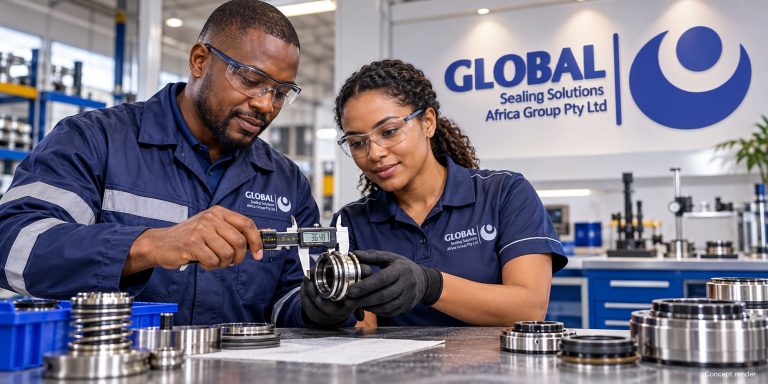 Quality and Technical SupportGetting the right part matters more than getting it quickly. This page explains how we approach identification and…View
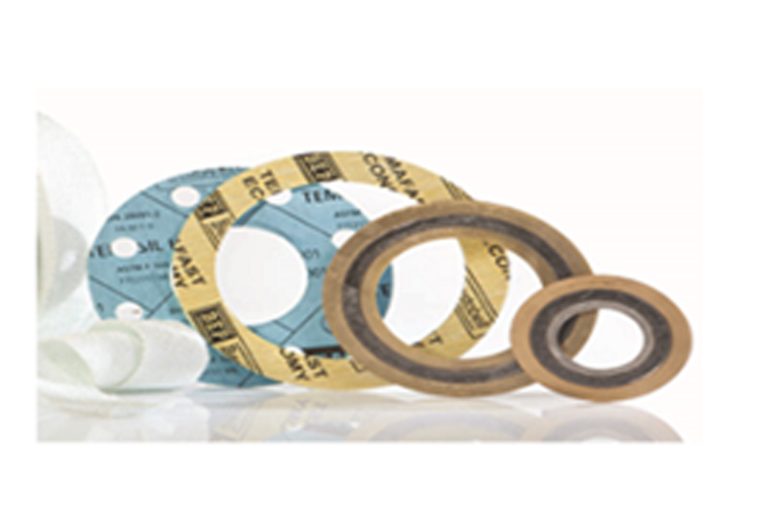 Custom Gasket ManufacturingWhen a flange, cover or housing has no off-the-shelf gasket, a custom-made part is the practical answer. Globseals…View
 Gasket Cutting and Material ConversionMany maintenance teams buy sheet material and need it turned into usable parts: gaskets, washers, discs, strips and…View
Describe your duty and equipment to start a seal selection review.
Send your brief, quantities and deadline. We reply with a clear written quote and confirm the turnaround before anything goes to production.
