
Pneumatic seals
Pneumatic Seals for Air Cylinders, Valves and Actuators
Pneumatic seals work in compressed-air systems, where the medium is a gas, pressures are lower than in hydraulics and low friction and long service between lubrications matter most. They are found in air cylinders, valve spools, grippers, clamps and actuators across packaging, assembly, mining, food processing and general factory automation. Globseals can help you identify seal kits and individual profiles for pneumatic equipment from the cylinder make and bore size.
- Piston, rod and wiper seals
- Low-friction profiles for air
- Cylinder repair kits by make and bore
- Bore and rod size lookup

Overview
Compressed air is a poor lubricant, and it can carry moisture, oil mist, rust and dust. Pneumatic seals must therefore run with low breakaway friction and remain flexible, often relying on grease applied at assembly and on a thin film of oil from the air line lubricator, if one is fitted. Many modern cylinders are "lubricated for life" and use specific greases and compounds, so changing lubrication practice mid-life can cause problems.
Pneumatic pressures are typically lower than hydraulic pressures, so extrusion is less of a concern, but speed can be high and cycle counts large. Seal wear, grease loss and contamination are the usual failure routes. For oil-based systems operating at higher pressure, see Hydraulic Seals. Where you only need to replace a groove ring, see Metric O-rings.
Pneumatic seal types
Piston seals
Double-acting cylinders use a symmetrical lip seal, a cup seal pair or a compact seal in one groove. Single-acting designs may use a one-way lip. Magnetic cylinders often combine a seal with a magnet ring and wear band.
Rod seals and rod wipers
A lip seal on the rod holds pressure, and a wiper excludes dust. Combined rod seals with an integral wiper exist where space is limited. See Wiper and Scraper Seals.
Cushion seals
Seals in the end-of-stroke cushion allow air to be restricted in one direction and released in the other, so the piston slows before impact.
Spool and valve seals
O-rings or lip-type seals that move in valve bodies. Low friction and swell resistance are important for reliable shifting.
End-cap and static seals
O-rings or moulded gaskets between cylinder tube and head. Often undersized or damaged by tube distortion.
Wear bands and guide rings
Carry side load on the piston and rod. See Wear Rings and Guide Rings.
Materials for pneumatic service
The notes are typical and general. Always confirm against the manufacturer's data, including grease and fluid compatibility.
- NBR: the usual compound for general air service. Good wear resistance, but ozone and sunlight shorten life. Low-temperature grades are available.
- Polyurethane: excellent wear resistance for rod and piston seals, but can be less flexible at low temperature and may be damaged by hot, humid air in some grades.
- FKM: chosen for higher temperatures, and where aggressive lubricants are present. Stiffer at low temperature, so less suited to cold start-up with dry air.
- EPDM: used for systems with non-mineral lubricants or brake-type fluids. It is not compatible with mineral oil and swells in contact with it, so never use it in a lubricated system without checking.
- PTFE-based: low friction for non-lubricated cylinders and high-cycle applications, typically with elastomer energisers.
- Silicone: sometimes used in food-adjacent or low-temperature air equipment; mechanical strength is limited in dynamic use.
How to choose pneumatic seals
- Identify the cylinder. Make, model and bore usually determine the seal kit. Many pneumatic cylinders follow dimensional standards, which makes interchange simpler than in hydraulics.
- Measure the bore and rod diameters, and the groove geometry for non-standard cylinders. See our measuring guide, which applies the same principles.
- Establish lubrication. Lubricated or non-lubricated systems need different compounds and greases.
- State operating pressure, stroke speed and temperature, including cold storage or hot-process locations.
- Consider the environment: washdown, abrasive dust, welding spatter or chemical vapour.
- Decide kit or individual seals. A kit makes sense for planned servicing.
Compressed air used in food-contact, pharmaceutical or breathing-air applications requires technical review and the correct certification documents.
Information to send us
- Cylinder make, model and any code on the tube or end cap
- Bore, rod diameter and stroke
- Existing seal markings or part numbers
- Operating pressure and cycle rate
- Lubricated or non-lubricated air
- Environment: temperature, washdown, dust or chemicals
- Photos of the seals, piston and rod, plus quantity
Genuine and compatible replacements
Genuine pneumatic seals and kits are made by the cylinder manufacturer or by seal makers named in the cylinder documentation. Compatible seals follow the same dimensions and are made by other suppliers; they are often an economic choice for standard bore sizes. Verify the compound, lip geometry and grease, because different formulations affect friction and life. For ISO-style standard cylinders, interchange is usually more straightforward than for proprietary designs.
You can enquire about genuine or compatible replacement parts for pneumatic equipment from manufacturers such as Camozzi, Technimex and others. Supply route is confirmed when you enquire.
How to buy
Pneumatic seals are often bought as kits for a known cylinder, so identification matters.
- Buy online: where a product is listed in the online shop with a confirmed price, you can order directly. Products are being added to the shop progressively, so not every item will be listed yet.
- Request a quote: for custom, bulk, unpriced or repeat-order requirements, send us a quote request with your details.
- Technical review: if you cannot identify the part, or the application is demanding, use Find My Seal or upload a drawing and our team will review it with you.
You can also call head office in Johannesburg on 011 079 6033, or WhatsApp 079 508 0989, or email info@globseals.com.
Options & specifications
| Seal types | Piston, rod, wiper, cushion, spool, end-cap and static seals |
|---|---|
| Common profiles | Lip seals, cup seals, compact seals, O-rings, quad rings |
| Common materials | NBR, polyurethane, FKM, EPDM, PTFE-based, silicone |
| Typical equipment | Air cylinders, rodless cylinders, valves, grippers, actuators |
| Sizing data | Bore, rod diameter, stroke, groove details |
| Supplied as | Kits per cylinder model or individual seals |
Options, materials and turnaround are confirmed on your written quote.
How ordering works
- 1
Identify the cylinder
Note the make, model, bore and rod size.
- 2
Check the air supply
State lubricated or non-lubricated and the environment.
- 3
Send details
Add pressure, cycle rate and photos of the seals.
- 4
Order or review
Buy listed kits, request a quote, or ask for technical review.
Frequently asked questions
Can I use hydraulic seals in an air cylinder?
Sometimes the profile suits, but pneumatic seals are designed for low friction on a gas, and hydraulic compounds may be stiff or heavy-lipped. Check the groove and the duty with us first.
Do air cylinders need lubrication?
It depends on the design. Many cylinders are factory greased and run without added oil. Others expect lubricated air. Follow the cylinder manufacturer's guidance, since adding oil to a non-lubricated system can wash away grease.
What grease should I use when fitting?
Use the grease the cylinder manufacturer specifies. A grease incompatible with the seal compound can swell it or soften it.
Are repair kits available for my cylinder?
Kit availability depends on the cylinder make and model. Send details and we will confirm what can be supplied.
Why does my cylinder move jerkily?
Stick-slip can come from dried grease, worn or swollen seals, misalignment or contamination. A new seal set and correct lubrication often help, but check the tube bore and rod finish as well.
Request a quote for Pneumatic Seals
Related services
 Hydraulic SealsHydraulic seals contain pressurised oil in cylinders, rams, presses and valves while keeping dirt out and controlling friction.…View
 Wiper and Scraper SealsA wiper, also called a scraper or dust seal, sits at the outer end of a cylinder gland…View
 Piston SealsA piston seal seals the gap between the piston and the cylinder bore so that pressure on one…View
 Metric O-ringsMetric O-rings are described by inside diameter and cross-section in millimetres, for example 20 x 3. They are…View
 Special Products and Engineered ComponentsNot every part appears in a catalogue. Older machines, imported equipment and modified plant often need seals, bushes,…View
 Rotary Shaft and Oil SealsRotary shaft seals, commonly called oil seals, keep lubricant in and contaminants out where a rotating shaft passes…View
 Bonded SealsA bonded seal is a metal washer with an elastomer sealing ring vulcanised to its inside edge. It…View
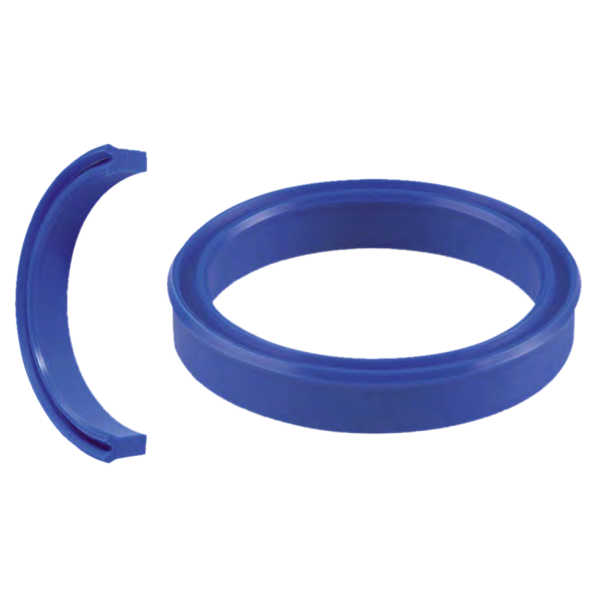 Rod SealsThe rod seal is the main barrier between pressurised oil inside a hydraulic cylinder and the outside world.…View
Send the cylinder make and bore size and we will help you find the right pneumatic seals.
Send your brief, quantities and deadline. We reply with a clear written quote and confirm the turnaround before anything goes to production.
